
Find Your Inner Zen: The Benefits of Mindful Movement for Stress Relief
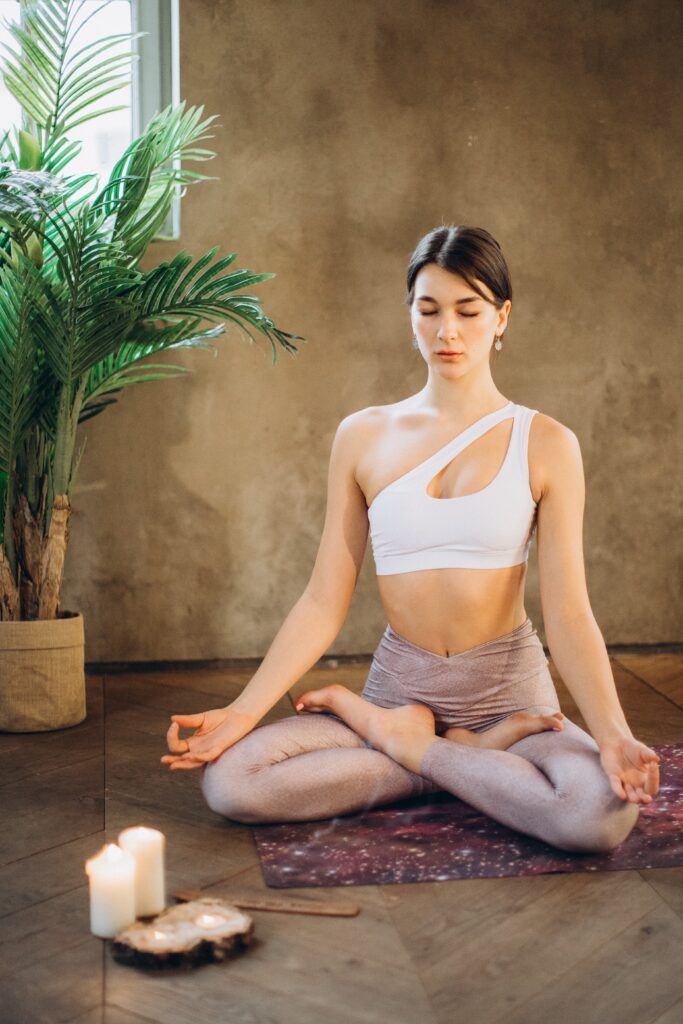
In today’s fast-paced world, stress is a common problem that can lead to physical and mental health issues. Mindful movement practices such as yoga and meditation can help relieve stress, improve mental health, and increase physical flexibility and strength. In this blog, we will explore the benefits of mindful movement and provide tips for beginners to get started with yoga and meditation.
Section 1: What is Mindful Movement?
Definition – Mindful movement is a type of exercise that combines physical movement with mental focus and awareness.
Focus – Mindful movement practices such as yoga and meditation focus on breathing, body awareness, and mental concentration.
Benefits – Mindful movement can help reduce stress, improve mental health, increase physical flexibility and strength, and promote overall well-being.
Section 2: Benefits of Yoga
Physical Benefits – Yoga can help increase flexibility, strength, and balance, as well as reduce joint pain and inflammation.
Mental Benefits – Yoga can help reduce stress, anxiety, and depression, as well as improve sleep and boost overall mood.
Types of Yoga – There are many different types of yoga, from gentle, restorative yoga to more challenging, advanced styles such as power yoga.
Section 3: Benefits of Meditation
Mental Benefits – Meditation can help reduce stress, anxiety, and depression, as well as improve focus, attention, and overall mental well-being.
Physical Benefits – Meditation can help lower blood pressure, reduce inflammation, and boost the immune system.
Types of Meditation – There are many different types of meditation, from focused breathing techniques to mindfulness meditation and transcendental meditation.
Section 4: How to Get Started with Mindful Movement
Choose Your Practice – Whether it’s yoga, meditation, or a combination of both, choose a practice that resonates with you and your goals.
Find a Class – Look for local yoga studios or meditation centers, or search for online classes and tutorials.
Start Slowly – If you’re new to yoga or meditation, start with shorter sessions and lower intensity practices, and gradually work your way up.
Set Realistic Goals – Set realistic goals and expectations for yourself, and focus on the process of the practice rather than the end result.
Section 5: Tips for a Successful Mindful Movement Practice
Find a Quiet Space – Choose a quiet, comfortable space to practice where you won’t be disturbed or distracted.
Use Props – Props such as yoga blocks, blankets, and straps can help support your practice and make poses more accessible.
Focus on Your Breath – Whether it’s during yoga poses or meditation, focus on your breath and use it to anchor your attention.
Be Patient – Mindful movement practices can take time and patience to master, so be kind to yourself and enjoy the process.
Conclusion:
Mindful movement practices such as yoga and meditation can be powerful tools for reducing stress, improving mental health, and promoting overall well-being. By combining physical movement with mental focus and awareness, these practices can help us connect with our bodies and minds, and find greater balance and peace in our lives. As a beginner, it’s important to choose a practice that resonates with you, start slowly, and set realistic goals. With the right approach and a little bit of dedication, mindful movement can help you achieve a happier, healthier, and more balanced life. So why not give it a try? Your body and mind will thank you!